What is the total mass (amu) of carbon in each of the following molecules?
(a) CH₄
(b) CHCl₃
(c) C₁₂H₁₀O₆
(d) CH₃CH₂CH₂CH₂CH₃
Preparing your lesson…正在准备你的课程…正在準備你的課程…Preparando tu lección…Préparation de votre leçon…Deine Lektion wird vorbereitet…Sto preparando la tua lezione…Preparando sua aula…レッスンを準備しています…수업을 준비하고 있어요…Menyediakan pelajaran anda…Menyiapkan pelajaranmu…
Preparing your lesson…正在准备你的课程…正在準備你的課程…Preparando tu lección…Préparation de votre leçon…Deine Lektion wird vorbereitet…Sto preparando la tua lezione…Preparando sua aula…レッスンを準備しています…수업을 준비하고 있어요…Menyediakan pelajaran anda…Menyiapkan pelajaranmu…
Chemistry 2e · 3.1 Formula Mass and the Mole Concept
16 problems from the book, with its answers. Check your working, or have any of them explained to you on the whiteboard.
Exercises 1
What is the total mass (amu) of carbon in each of the following molecules?
(a) CH₄
(b) CHCl₃
(c) C₁₂H₁₀O₆
(d) CH₃CH₂CH₂CH₂CH₃
Exercises 3
Calculate the molecular or formula mass of each of the following:
(a) P₄
(b) H₂O
(c) Ca(NO₃)₂
(d) CH₃CO₂H (acetic acid)
(e) C₁₂H₂₂O₁₁ (sucrose, cane sugar)
Exercises 5
Determine the molecular mass of the following compounds:
(a)
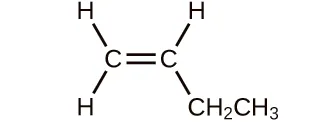
(b)
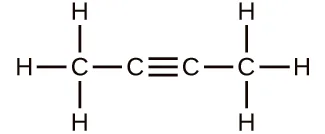
(c)
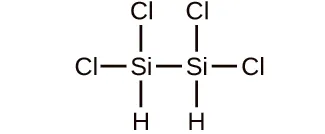
(d)
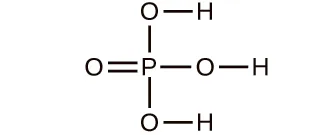
Exercises 7
Write a sentence that describes how to determine the number of moles of a compound in a known mass of the compound using its molecular formula.
Exercises 9
Which contains the greatest mass of oxygen: 0.75 mol of ethanol (C₂H₅OH), 0.60 mol of formic acid (HCO₂H), or 1.0 mol of water (H₂O)? Explain why.
Exercises 11
How are the molecular mass and the molar mass of a compound similar and how are they different?
Exercises 13
Calculate the molar mass of each of the following:
(a) S₈
(b) C₅H₁₂
(c) Sc₂(SO₄)₃
(d) CH₃COCH₃ (acetone)
(e) C₆H₁₂O₆ (glucose)
Exercises 15
Calculate the molar mass of each of the following:
(a) the anesthetic halothane, C₂HBrClF₃
(b) the herbicide paraquat, C₁₂H₁₄N₂Cl₂
(c) caffeine, C₈H₁₀N₄O₂
(d) urea, CO(NH₂)₂
(e) a typical soap, C₁₇H₃₅CO₂Na
Exercises 17
Determine the mass of each of the following:
(a) 0.0146 mol KOH
(b) 10.2 mol ethane, C₂H₆
(c) 1.6 10⁻³ mol Na₂ SO₄
(d) 6.854 10³ mol glucose, C₆ H₁₂ O₆
(e) 2.86 mol Co(NH₃)₆Cl₃
Exercises 19
Determine the mass of each of the following:
(a) 2.345 mol LiCl
(b) 0.0872 mol acetylene, C₂H₂
(c) 3.3 10⁻² mol Na₂CO₃
(d) 1.23 10³ mol fructose, C₆H₁₂O₆
(e) 0.5758 mol FeSO₄(H₂O)₇
Exercises 21
Determine the mass in grams of each of the following:
(a) 0.600 mol of oxygen atoms
(b) 0.600 mol of oxygen molecules, O₂
(c) 0.600 mol of ozone molecules, O₃
Exercises 23
Determine the number of atoms and the mass of zirconium, silicon, and oxygen found in 0.3384 mol of zircon, ZrSiO₄, a semiprecious stone.
Exercises 25
Determine which of the following contains the greatest mass of aluminum: 122 g of AlPO₄, 266 g of Al₂Cl₆, or 225 g of Al₂S₃.
Exercises 27
The Cullinan diamond was the largest natural diamond ever found (January 25, 1905). It weighed 3104 carats (1 carat = 200 mg). How many carbon atoms were present in the stone?
Exercises 29
A certain nut crunch cereal contains 11.0 grams of sugar (sucrose, C₁₂H₂₂O₁₁) per serving size of 60.0 grams. How many servings of this cereal must be eaten to consume 0.0278 moles of sugar?
Exercises 31
Which of the following represents the least number of molecules?
(a) 20.0 g of H₂O (18.02 g/mol)
(b) 77.0 g of CH₄ (16.06 g/mol)
(c) 68.0 g of C₃H₆ (42.08 g/mol)
(d) 100.0 g of N₂O (44.02 g/mol)
(e) 84.0 g of HF (20.01 g/mol)
The tutor teaches the whole section, drawing it out step by step and answering your questions as you go.